eZine 15 is going French!

Conte de Fées – French for fairy tale – was coined by the salonnières; the brilliant, subversive and scandalous women who gave birth to the literary fairy tale genre in the salons of Louis XIV’s Versailles.

The term refers to a folklore genre featuring magical elements, mythical creatures, and often a moral lesson, defined by late seventeenth century French authors including Marie-Catherine d’Aulnoy, Charlotte-Rose de La Force and Henriette-Julie de Murat. Can you create something just as magical, rebellious and thought-provoking as these women?

AFTS members Jo Henwood, Alyssa Curtayne and Eliane Morel created the web series Salonline based on their stories – watch on our Youtube channel – as well as an e-book of the same name, available on the AFTS website and from e-book retailers.
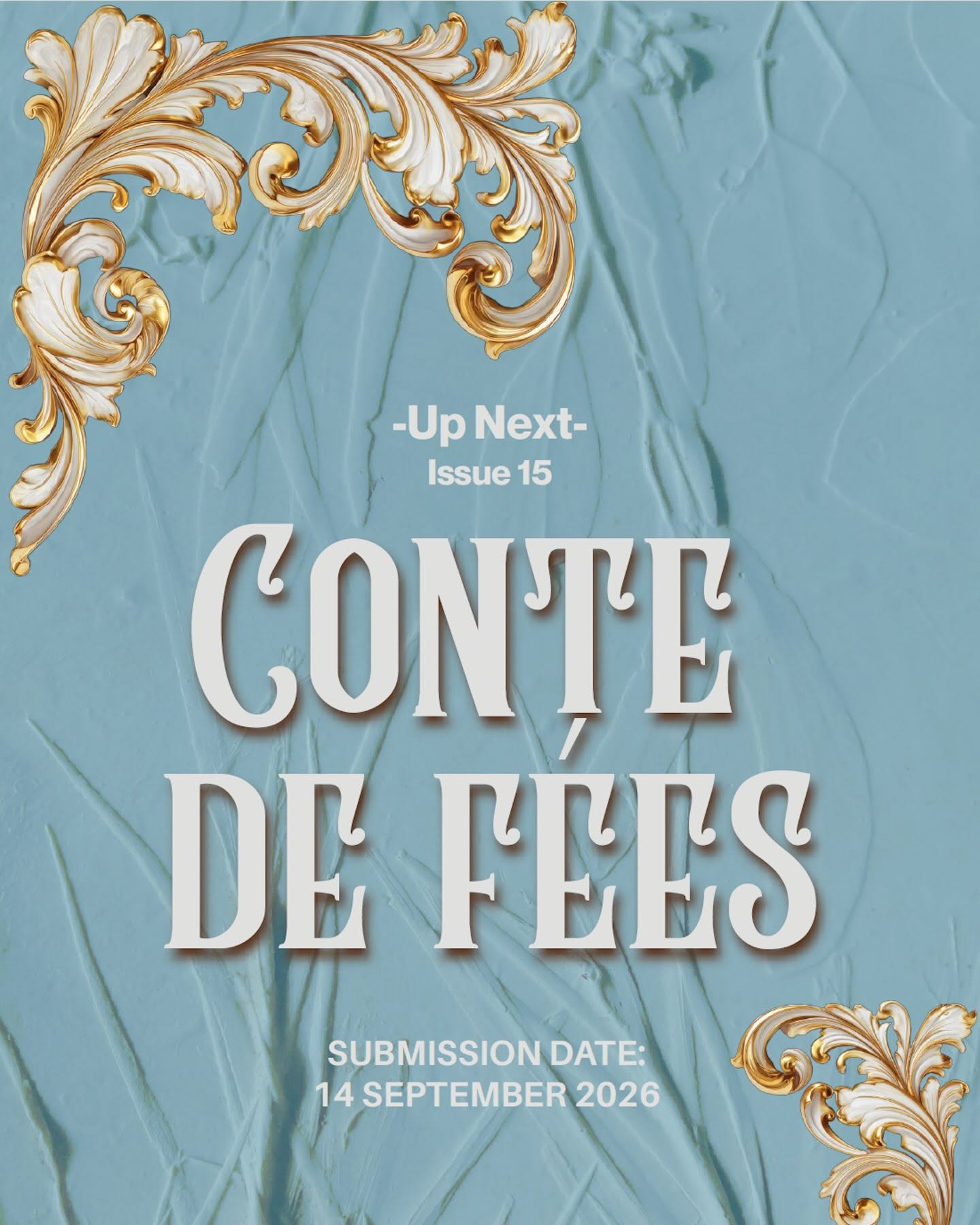
eZine 15 call-out

eZine 15, Conte de Fées, has a submission deadline of September 14, 2025.
We accept a broad range of original works from recipes to short stories, visual art and music links – and invite you to check the submission guidelines for details.

Submitting your work to austfairytaleszine@gmail.com and receiving the eZine is a members-only perk. Not a member yet? We invite you to join (or re-join)!
2026 Conference Bursary

We love getting together in person to share ideas and enjoy each other’s company, and because we are a national society with a sprinkling of international members, some of us will travel a considerable distance to join the fun in Melbourne on August 15-16.

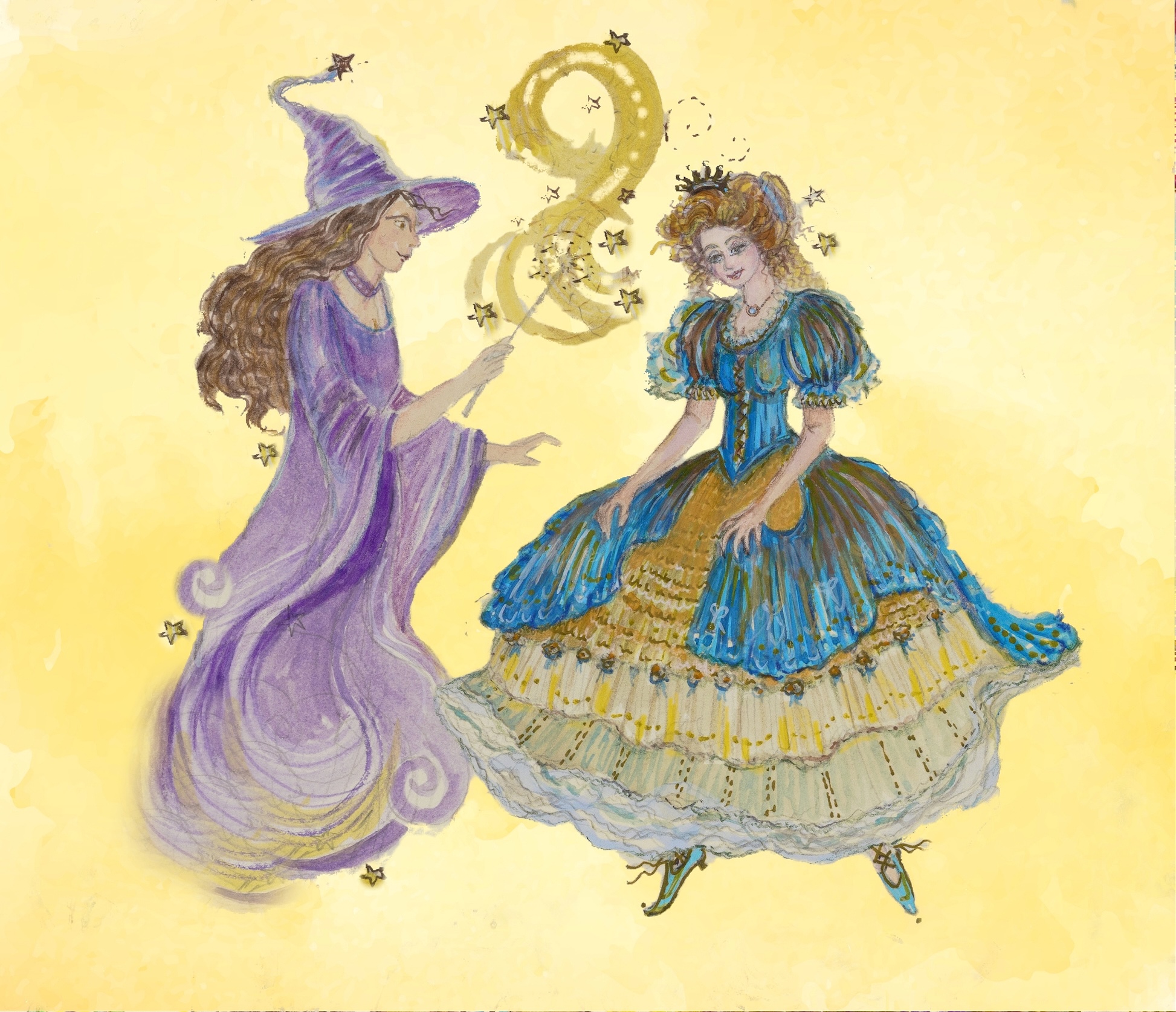
Fairy godmother dresses Cinderella for the ball (c) Cassandra Kavanagh

For an existing AFTS member, we offer a $400 bursary towards the cost of accommodation and transport, plus the helping hand of a local fairy godmother (or godfather) to help you find your way around Melbourne.
(Registration costs are the attendee’s responsibility.)

We want to offer this opportunity to someone who is:

  • Part of our community
  • Might need a boost to cover the costs of getting here
  • Will use the chance of going to the conference to continue to invest in our Society.

If this is you, please apply here by July 21, 10pm AEST. Good luck!

Last year’s bursary recipient Mikaela Grosseholz had a magical time at the Sydney conference, and has loved being part of her local Brisbane Fairy Tale Ring ever since.

“I attended my first AFTS Conference last year, after being awarded the Bursary, and it was one of the most magical weekends of my life. The conference introduced me to a wonderful community of people who share my passion for fairy tales and storytelling. After the conference, I participated in my first Fairy Tale Ring in Brisbane and thoroughly enjoyed the thoughtful discussions and comparisons between the selected fairy tales. Hearing different perspectives enriched my appreciation of the stories and sparked new ideas for my own writing, and learning more about fairy tales in general.”

Image (c) by conference artist: Cassandra Kavanagh

Who’s your favourite fairy tale witch?

As this year’s conference theme is Witches in Fairy Tales – Wise Women or Evil Enchanters?, we’d love to know who your favourite (and least favourite!) witches are.

The wicked witch stereotype is common in fairy tales – the old, ugly hag with warts and a hooked nose – and their deeds can be terrible, as evidenced by the murderous Evil Queen in Snow White and the cannibalistic witch in Hansel and Gretel. But there are other witch figures who offer aid, guidance and protection to the young protagonists, such as the Rumpelstiltskin-esque magical helpers in The Three Spinners, the wise crone grandmother in Little Red Riding Hood, the wondrous sea witch, the groac’h, in Upon a Starlit Tide, or even Glinda the Good Witch.

Others are portrayed as both or neither, blessing those who are kind and only meting out punishment when it is deserved, such as Frau Holle and other witch-figures from The Kind and Unkind Girls tales, and Baba Yaga, who can be an agent of change and initiation, even protection, for the young woman she encounters, and is only vengeful if you deserve her wrath. These women live outside of society’s strict rules, with a freedom that inspires many.

Dr Sara Cleto and Dr Brittany Warman of Carterhaugh say:“The witches that appear in folklore – in fairy tales, legends, and other folk narratives – are often deeply ambiguous. Rarely are they purely good or evil. Consider, for example, the famous Russian folkloric witch Baba Yaga. In some tales, she is an evil monster… in others, she is the main character’s only hope – she is not just a dangerous witch but also a maternal benefactress. Witches are liminal, creatures of thresholds and becomings who resist simple binaries. They frequently have close ties to the natural world. They are associated with healing and knowledge as often as they are with dark magic, but, in either case, witchcraft is all about power. Witches of folklore invite change and galvanise transformation.”

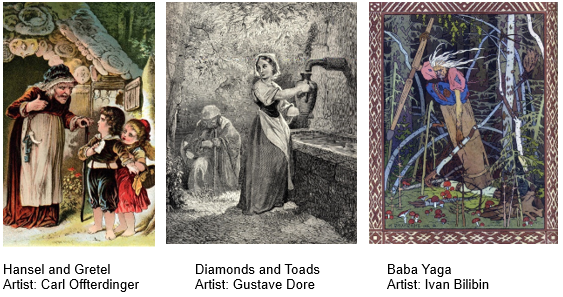
Witches in fairy tales, with art by Carl Offterdinger, Gustave Dore and Ivan Bilibin

2026 AFTS Award

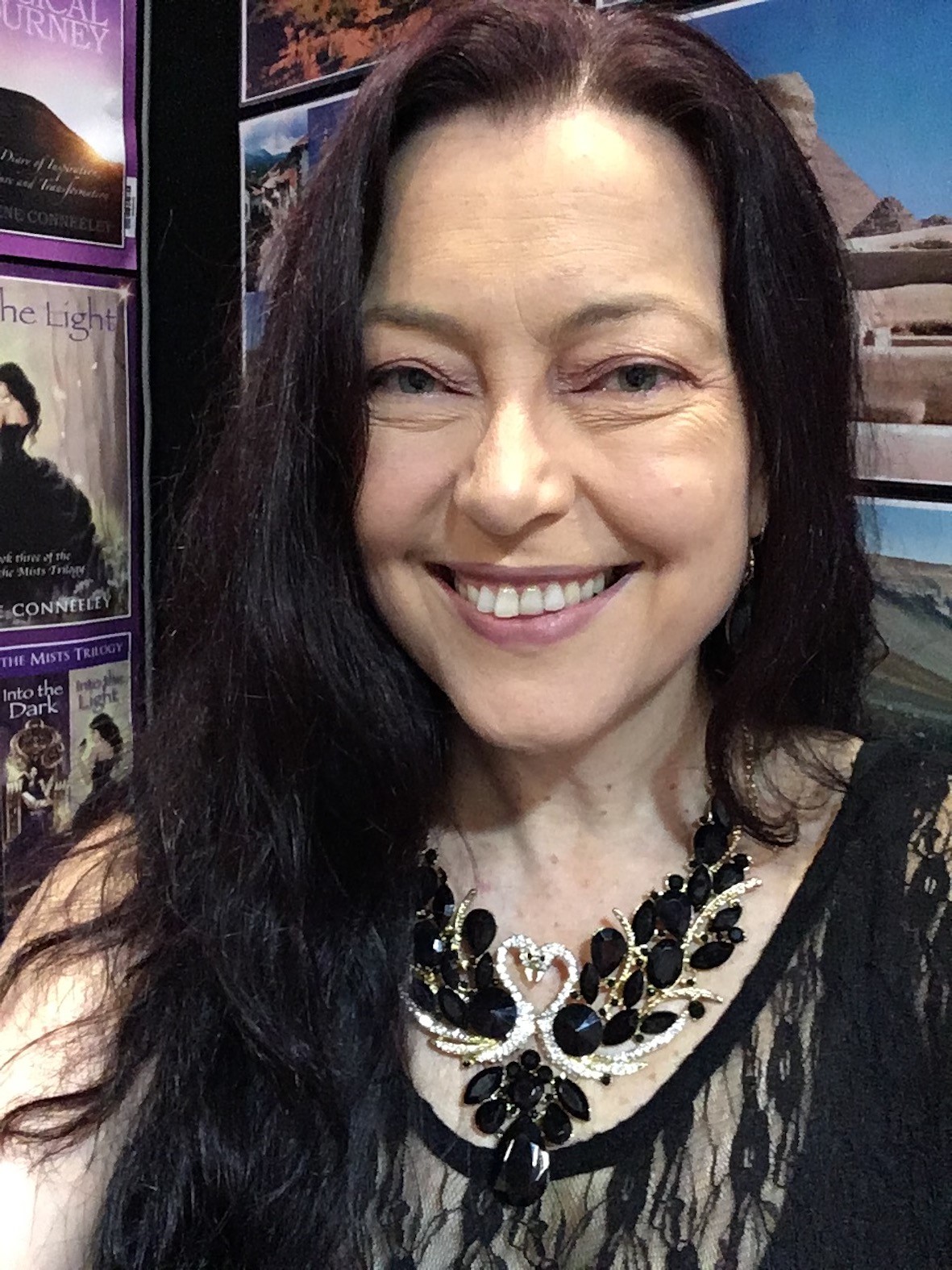
Serene Conneeley smiles in front of posters of her books and travel posters. She wears a dark crystal necklace with light crystals at the centre forming the shape of two swans making a heart shape as they touch heads.

Congratulations to our 2026 winner – Serene Conneeley!

Serene’s novels are much loved by fans, and within the Society, she is our social media and merchandise maven, and a co-organiser of conferences including this year’s ‘Witches in Fairy Tales: Wise Women or Evil Enchanters?’

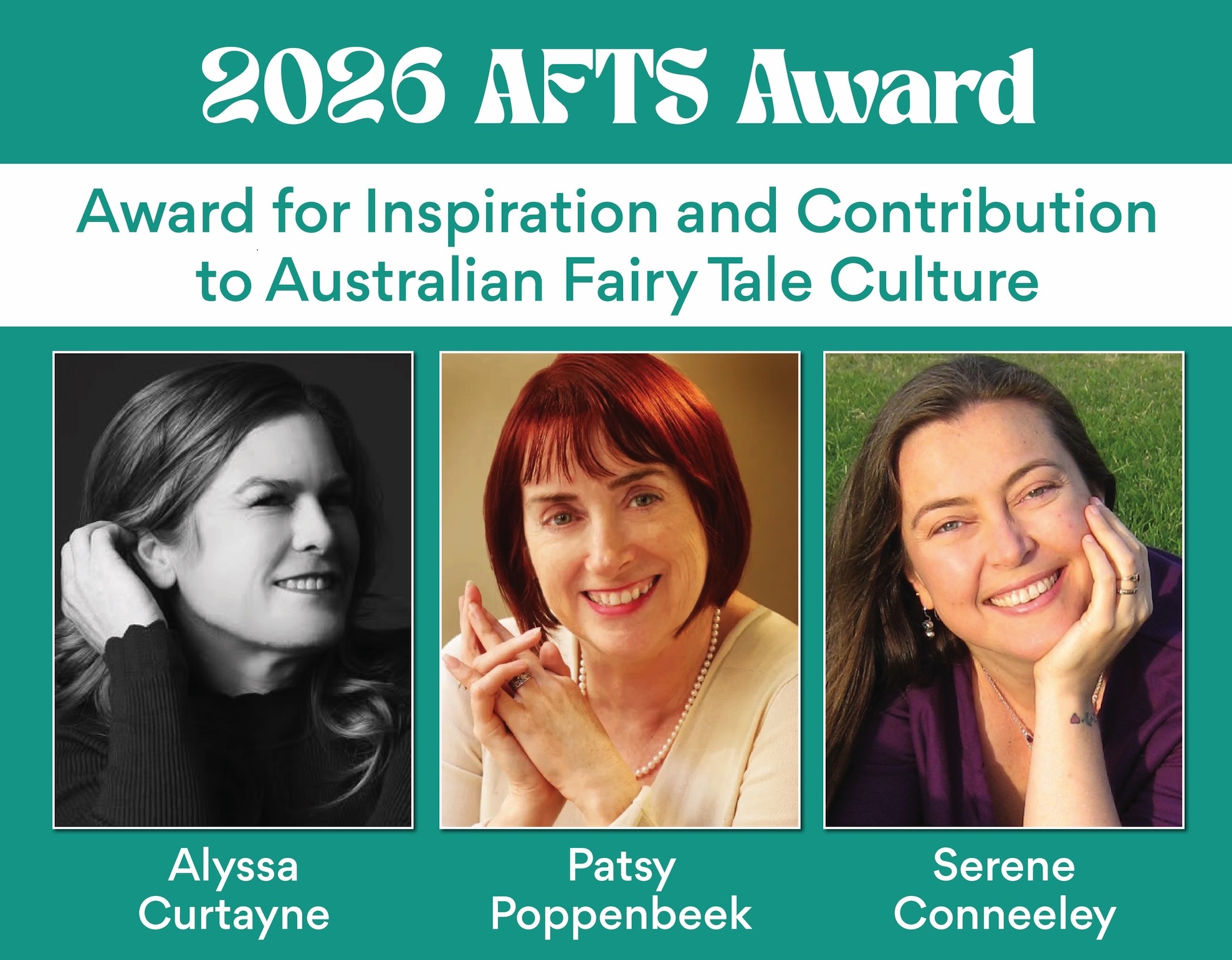
Alyssa Curtayne, Patsy Poppenbeek and Serene Conneeley are our 2026 nominees for the ‘AFTS Annual Award for Inspiration and Contribution to Australian Fairy Tale Culture’.

Read about our nominees, visit their websites and then cast your vote –
noting that only current AFTS members may vote by 10pm July 12.

2026 AFTS Award Nominees

Alyssa Curtayne; Patsy Poppenbeek; Serene Conneeley