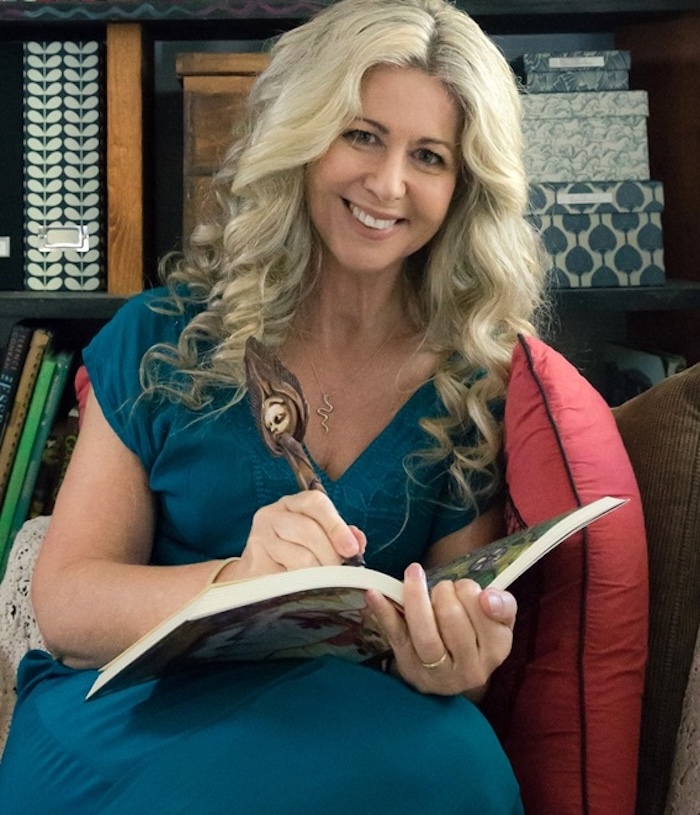
Lucy Cavendish – author, oracle deck creator, podcaster, witch, surfer and wildlife carer – will keynote our August 15-16 conference in Melbourne, Witches in Fairy Tales: Wise Women or Evil Enchanters?
Lucy’s beautiful book Magickal Faerytales and her enchanting deck The Faerytale Oracle, along with the magic she weaves as a witch in this country, make her the perfect person to open the conference and ground us in fairy tale wisdom. In Part 1, she discusses some of her favourite stories, what connects people to them, and the magic that lies within.
What drew you to fairy tales as a child?
I can’t really recall a time before fairy tales. I recollect, faintly, being introduced to them through a mixture of being read aloud to – that was my mum mostly, doing the reading – and films. I have fragmented, delicious memories of being obsessed with the Three Good Fairies from Disney’s 1959 film Sleeping Beauty – Flora, Fauna and Merryweather. So, films were one way – the big screen, as a tiny child, was enormous and magickal and absolutely engulfed me! It made a new world come alive in such an immersive way.
I also had a little 45rpm record of the Fairy Godmother’s song from the 1950 Disney version of Cinderella, and I played it over and over, prancing about with my imaginary wand, tapping the cat’s head and imagining it being able to fly with me upon its back.
But mostly, I dragged books filled with fairy stories off the shelves I could reach, books nearly bigger than myself, and I carried these around, begging my mother to read me the stories. She has wonderful voice skills, my mum, and she did such a great job that I was completely besotted not only with the stories but her vivid changes of voice for each character! She eventually started teaching me to read very early, mostly so I could stop entreating and entrapping her with my demands for fairy tales.
What did you love most about them?
I think fairy tales connected so strongly to me as a child because they were fantastical, and so was my entire world as a child. Everything was new and unknown, so it was magickal, imaginative, and a little scary, utterly filled with wonderment. The tales were frightening, intense, wondrous, hopeful, sometimes very upsetting, and their ideas really challenged me. I am thinking in particular of stories like Hansel and Gretel. The idea of children being abandoned because of starvation really concerned me, and I had a little brother so I could look at us, and wonder how we would fare, all alone in a forest. The tales raised lots of “what-if” questions about injustice, cruelty, theft and kindness that meant I didn’t have to experience everything to begin to understand or grapple with more than I had encountered. They were my teachers, and they grew compassion and empathy within me.
Do you have a favourite fairy tale?
I don’t. I have several I am very attached to, such as Brother and Sister, and I love Little Red Riding Hood. Little Red Riding Hood is just an incredibly exciting, alluring story – dangerous and delicious and full of symbols that will endure. I love parts of others – the opening of Hansel and Gretel is masterful and terrifying, way before we get to the witch’s house.
Do you have a least favourite fairy tale?
No. I have least favourite bits though. I remember at school being very very angry when I read The Little Mermaid, and feeling the strongest impulse to scream when she chose humanity and a so-called soul over her own mermaid self. I detested that she gave up her voice and her mermaidenhood for legs and that with every step with human feet she was stabbed with knives of pain. And I hate that the Little Match Girl dies, but I don’t dislike those stories. I just find children suffering really devastating, and I swear I could feel that match go out in my own hands reading that story as a child. I didn’t care that she went off with an angel, I was horrified that she died. Hans Christian Andersen and I have a slight issue!
Has your perception of them changed from when you were young?
I think I see them differently now. As a little one I was all agog and in the midst of wonderment, and I still have that, but I also have this sense of the weight and the tapestry of them. I know them a little better.
Do you have a favourite fairy tale witch?
Oh, I love the old crone in Vasilisa the Brave. And I love the witch in Rapunzel. I think she’s obviously very wrong, but then no one should have stolen from her herb garden. She’s tragic.
Do you have a least favourite?
Well, I’m not a fan of the witch in Hansel and Gretel, but she is a fabulous monster. I also wonder if she too was starving. But then, why would she not eat her own house? Is she symbolically eating their childhood and innocence and teaching them how to live in a cruel world?
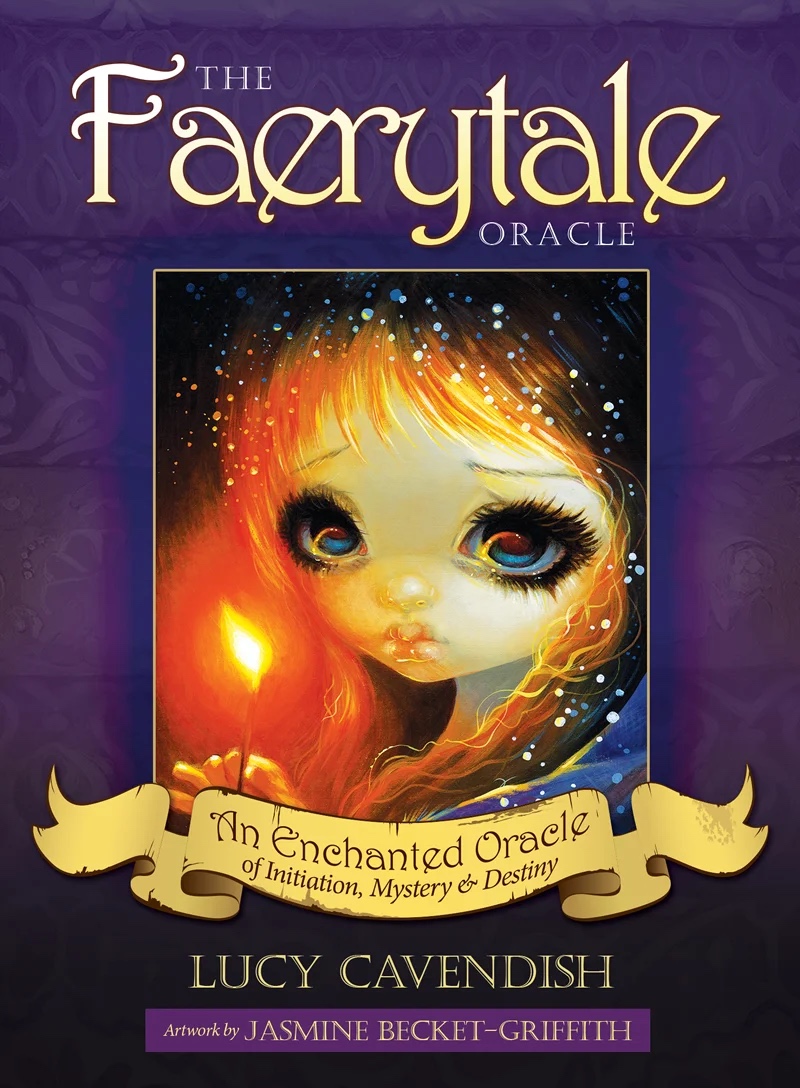
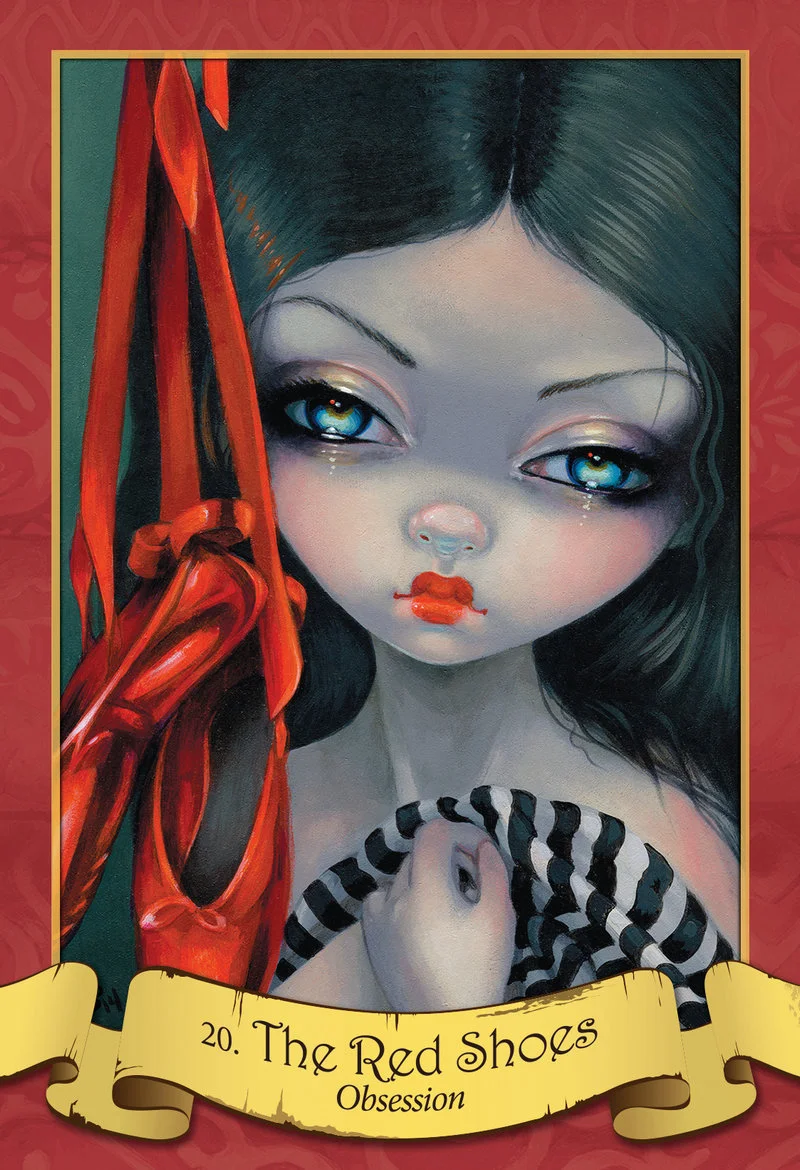
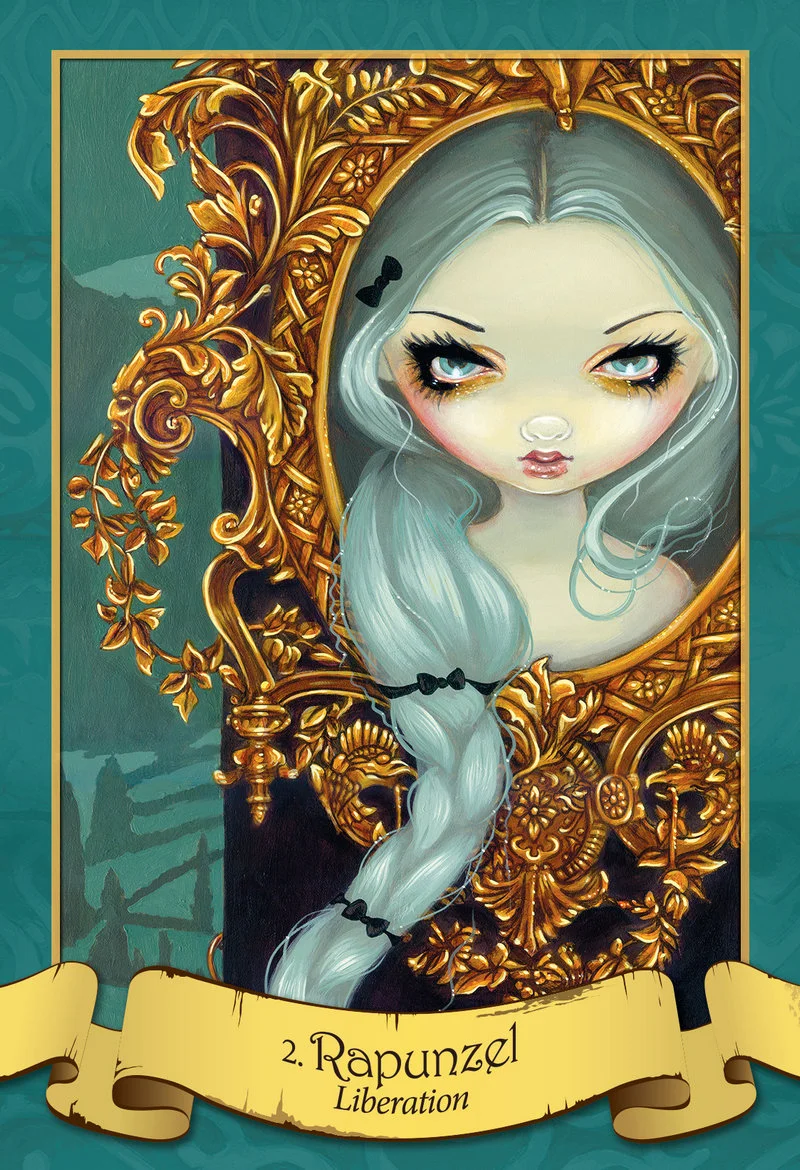
You have a beautiful deck, The Faerytale Oracle: An Enchanted Oracle of Initiation, Mystery and Destiny. Was your publisher Blue Angel immediately receptive? And what was the process of working with artist Jasmine Becket-Griffith on it?
Yes, they were very supportive! Jasmine had already created quite a body of work around fairy tales, and we collaborated on some new works for the deck. It was wonderful, such a joyful project for me, and I learned so much.
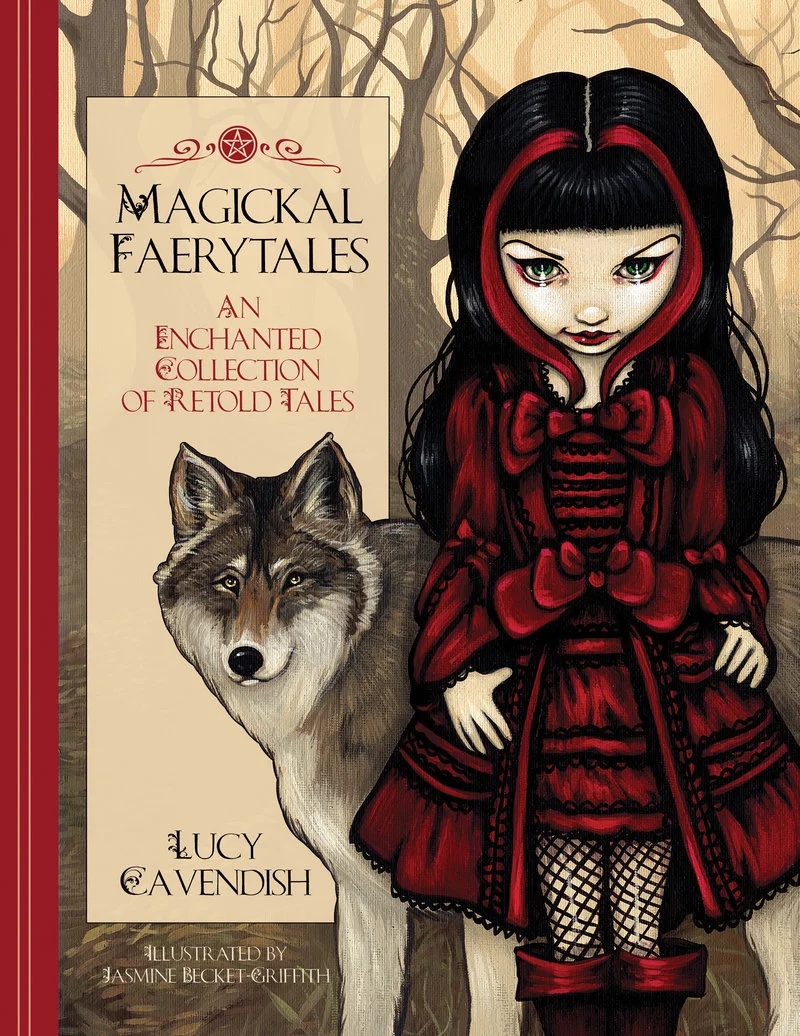
You also have a stunning book, Magickal Faerytales: An Enchanted Collection of Retold Tales. What was your intention with that?
I had ambitions of reclaiming, or emphasising, the connection to nature and the complexity of the relationship to nature within the stories. Also, there seemed a kind of pagan heart to the stories, although I am not sure I teased that out very effectively, but in some cases I feel satisfied that I did. I wanted to bring out the witchy nature of the stories and use magickal tools as part of them, and have the trees, waterfalls, sacred streams and animals have their magickal energies emphasised, too. I also wanted to write an original tale, which became The Ninth Wave, which closes the book.
How did you choose the stories you retold?
I had some that I wanted to do, like Little Red Riding Hood and Hansel and Gretel. I like the structure I gave Hansel and Gretel, but it really started with her voice in my head. The opening lines: The forest is said to be beautiful. “Oh, the forest,” people say, speaking from their safe homes and their warm fireplaces, with their round bellies full of food, their family nodding, only half listening. They’ve seen three trees and a flowerbed, and they think they know what nature is.”
Other stories include Rumpelstiltskin, which gave me a lovely opportunity to interweave the magick of knowing someone’s true name; The Goose Girl, with the brave fairy horse, Falada; Cinderella; Snow White and Rose Red; Rapunzel; and Snow White. In the version I wrote, the dwarves transformed into gnomes, her casket is crystalline, and I dared to change the nature of the awakening kiss, which had led to some outrage!
What makes the book extraordinary is that each story also has a beautiful, deeply moving “Discover the Magick of…” section, as long as the tale itself, which includes the history of and wisdom within each story, its pagan, witchy links, a spell, the meaning of some of the symbols, and more. How important was that to you, and did you enjoy the research?
This was suggested to me by Leela J Williams, who I have known for over twenty years now. She was the first editor assigned to the book, and I remember exactly where I was when we chatted for ages on the phone, and she suggested this approach. I thought these would make absolutely wonderful additions, and it gave me the scrumptious opportunity to work lots of smaller details into the stories, as well as lay them out clearly in the magickal section after each tale.
I nearly always enjoy research, the old-fashioned kind in particular. I love scribbling barely decipherable notes on paper as ah-ha moments come to me, or I learn some detail about the origin tale’s approximate location that feels like it just MUST be included. It also helped me decide on the kinds of trees, as an example, that I introduced into some tales. In one tale – I won’t say which one – they caused me agonies of indecision until I finally settled on two trees to represent two parents. Rapunzel is such a rich tale, too, and the diving deep helped me enormously and was immensely satisfying.
What was your reaction to this year’s conference theme?
I thought it was delicious!
Meet Lucy at the Australian Fairy Tale Conference in Melbourne this August. In the meantime, check out her enchanting books, including Magickal Faerytales, Spellbound and Witchy Magic, and oracle decks including The Faerytale Oracle, Into the Lonely Woods, The Solitary Witch and The Fairy Forest. Connect with her at instagram.com/lucycavendish.
 Australian Fairy Tale Society